⁠⁠Don’t Miss Out – Your Rewards Are Waiting!

PRP Therapy

A Natural, Non-Surgical Path to Pain Relief

Introduction

If you’re searching for a way to relieve chronic back pain, knee pain, or joint pain in Las Vegas without surgery or long-term medication, Platelet-Rich Plasma (PRP) therapy could be the next step in your recovery journey. At Nevada Spine & Disc, we use your body’s own healing components — concentrated platelets and growth factors — to support natural tissue repair, reduce inflammation, and help you get back to the life you love.

This guide walks you through everything you need to know about PRP therapy: how it works, who it’s for, what to expect during the procedure, recovery timelines, and the questions our Las Vegas patients ask most often.

What Is PRP (Platelet-Rich Plasma) Therapy?

Platelet-Rich Plasma — or PRP — is a regenerative therapy made from your own blood. A small sample of blood is drawn, then placed in a centrifuge that separates and concentrates your platelets. The resulting plasma can contain five to ten times the normal concentration of platelets, which are rich in growth factors and signaling proteins your body naturally uses to repair damaged tissue.

When this concentrated plasma is injected directly into an injured joint, tendon, ligament, or area of the spine, it can stimulate the body’s natural healing cascade — supporting tissue regeneration, reducing inflammation, and easing chronic pain at the source instead of just masking it.

How PRP Therapy Works at Nevada Spine & Disc

The PRP process is quick, in-office, and uses no foreign materials.

  • Step 1 — Consultation & exam. Dr. Norman or Dr. Larkin reviews your symptoms, imaging, and history to determine whether PRP is right for you.
  • Step 2 — Blood draw. A small blood sample (typically 15–60 mL) is drawn from your arm, just like a routine lab test.
  • Step 3 — Centrifuge separation. Your blood is spun in a centrifuge to isolate the platelet-rich plasma fraction.
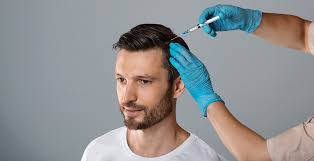
  • Step 4 — Precision injection. The concentrated PRP is injected directly into the injury site, often with image guidance for accuracy.
  • Step 5 — Recovery & follow-up. You go home the same day. We schedule a follow-up to assess healing and discuss whether a second session would be helpful.

The entire procedure typically takes 30 to 60 minutes. Because PRP is made from your own blood, there is virtually no risk of allergic reaction or disease transmission. 

What Conditions Can PRP Therapy Help With?

PRP is most effective for soft-tissue, joint, and degenerative conditions where your body’s natural healing has stalled. At our Las Vegas clinic, we commonly use PRP for:

  • Lower back pain — facet joint pain, sacroiliac joint dysfunction, discogenic pain
  • Sciatica and chronic nerve-related pain
  • Mild to moderate disc issues, including bulging or degenerated discs
  • Knee pain — osteoarthritis, meniscus injuries, patellar tendonitis
  • Shoulder pain — rotator cuff strains, tendonitis, partial tears
  • Hip, elbow, and ankle joint pain
  • Sports injuries — strains, sprains, tendinopathies
  • Chronic tendonitis and ligament injuries that haven’t responded to rest, ice, or medication

Benefits of PRP Therapy

Patients in Las Vegas choose PRP because it offers a meaningful alternative to long-term medication, repeated steroid shots, and surgery. The most-reported benefits include:

  • Uses your own biology. Since PRP is autologous, there’s no risk of rejection or disease transmission. 
  • Addresses the root cause. PRP supports actual tissue repair, not just symptom suppression. 
  • Minimally invasive. No incisions, no anesthesia, no hospital stay. 
  • Longer-lasting relief than cortisone. Studies suggest PRP can deliver pain relief lasting six months to a year or more, while corticosteroid injections often wear off in weeks. 
  • Few side effects. The most common are mild soreness or bruising at the injection site. 
  • Can delay or eliminate the need for surgery in many appropriate candidates. 
  • Fast in-office visit — most patients return to light activity within a day or two. 

Who Is a Good Candidate for PRP Therapy?

PRP works best for people who have:

  • Chronic joint or back pain that hasn’t responded to physical therapy, chiropractic care, or medication
  • Mild-to-moderate osteoarthritis, tendonitis, or partial soft-tissue tears
  • Sports or overuse injuries
  • A desire to avoid or delay surgery

PRP may not be appropriate if you have an active infection, a blood disorder, certain cancers, are on blood thinners that cannot be paused, or are pregnant. During your consultation, our team will review your medical history and imaging to determine whether PRP is a safe and reasonable option for you.
How to Prepare: What to Take Care of Before Your PRP Treatment

Proper preparation gives your PRP its best chance to work. In the days leading up to your appointment: 

  • Hydrate well. Drink plenty of water for 24–48 hours before your draw. Hydration improves the quality of your blood sample and your comfort during the procedure. 
  • Eat a normal meal beforehand. Avoid coming in fasted — light-headedness during the blood draw is the most common avoidable side effect. 
  • Stop NSAIDs and anti-inflammatories (ibuprofen, naproxen, aspirin) at least 7 days before treatment, with your physician’s approval. These medications can blunt the inflammation PRP needs to trigger healing. 
  • Pause blood thinners only if your prescribing doctor approves. Always check first — never stop on your own. 
  • Avoid alcohol for at least 24 hours before your appointment. 
  • Wear loose, comfortable clothing that allows easy access to the treatment area. 
  • Plan a calm rest of the day. While most patients return to work the next day, you’ll want to avoid heavy lifting or strenuous exercise for 48 hours. 

What to Expect After Your PRP Injection

It is normal to feel mild soreness, warmth, or stiffness in the treated area for 2 to 5 days. This is part of the controlled inflammatory response that drives healing — it’s a sign the PRP is working.

Most of our Las Vegas patients follow a timeline like this:

  • Days 1–3: Light soreness; ice only if needed for comfort. Avoid NSAIDs unless cleared.
  • Days 4–14: Activity gradually returns to normal. Light walking and gentle movement encouraged.
  • Weeks 2–6: Tissue remodeling progresses. Pain typically begins to ease noticeably.
  • Weeks 6–12: Many patients report significant improvement in pain and function.
  • 3–6 months: Peak benefits typically observed; relief often lasts a year or longer.

Note: Chiropractic adjustments and aggressive physical therapy are typically paused for 10–14 days after PRP and then carefully reintroduced. Our team coordinates this for you.

Why Choose Nevada Spine & Disc for PRP in Las Vegas?

  • Local since 2007. Dr. Jared Norman founded our Las Vegas clinic with one goal: comprehensive, non-surgical care for spine, joint, and disc conditions.
  • Integrated approach. PRP is combined with chiropractic care, spinal decompression, and rehab — so your soft tissue, structure, and function improve together.
  • Personalized plans. No one-size-fits-all packages. Every patient is evaluated and treated based on their specific condition and goals.
  • Free consultation. We’ll walk you through whether PRP is right for you before you commit.
  • Convenient location off the 215 Freeway — easy access from Henderson, Green Valley, Paradise, and Summerlin.

Schedule Your Free HCTP Consultation

Explore Your Regenerative Options

Call (702) 492-1776 book your free consultation.

Ask about our complimentary spine and joint evaluation for new patients.

Frequently Asked Questions About PRP Therapy

How long does a PRP appointment take?
Plan for 45 to 60 minutes — that includes blood draw, centrifuge preparation, and injection. The actual injection takes only a few minutes.
Most patients describe the injection as a brief pinch or pressure. Mild soreness for 2–5 days afterward is normal and is part of the healing response. 
Many conditions respond well to a single session, but some benefit from a series of 2–3 treatments spaced 4–6 weeks apart. Your treatment plan is built around your imaging and symptoms. 
Some patients notice improvement within 2–4 weeks. Most experience meaningful relief by 6–12 weeks, with peak results around 3–6 months. 
Studies suggest 6 months to a year or longer, depending on the condition and your overall health, activity level, and aftercare. 
Most insurance plans do not cover PRP for musculoskeletal conditions. We offer transparent pricing and payment plan options — call us for current rates. 
No. Steroid shots reduce inflammation temporarily but can weaken tissue over time. PRP supports actual tissue healing and tends to deliver longer-lasting relief without the same drawbacks. 
Possibly — but only with clearance from your prescribing physician. Never stop blood thinners on your own. 
PRP releases growth factors in a fast burst over hours. PRF (Platelet-Rich Fibrin) uses a fibrin scaffold to release growth factors slowly over 7–14 days, which can support longer healing. We offer both at Nevada Spine & Disc. 
PRP itself is not a drug — it’s derived from your own blood. The devices used to prepare PRP are FDA-cleared for that purpose. 

Conclusion: A Smarter Path to Recovery

Chronic pain doesn’t have to be your normal — and it doesn’t have to be the line in the sand before surgery. PRP therapy at Nevada Spine & Disc gives your body the resources it already uses to heal — concentrated, focused, and delivered directly to the area that needs help most.

If you’ve been searching for PRP therapy near you in Las Vegas, you don’t have to navigate it alone. Our team will walk you through whether PRP, PRF, HCTP, or a combination is the right next step — with honest answers, transparent pricing, and a plan tailored to you.